Jongmyo Shrine Complete Guide 2026
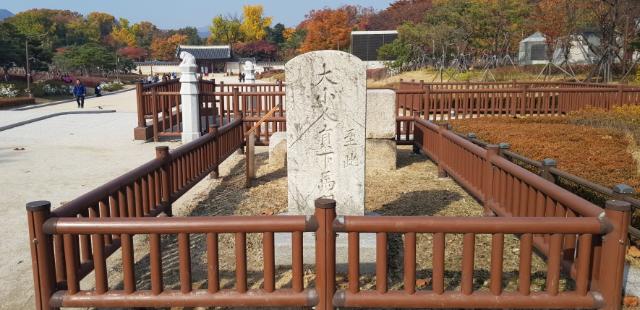
Jongmyo Shrine (종묘) is the UNESCO World Heritage royal ancestral shrine of the Joseon dynasty, where ceremonies honoring deceased kings and queens were performed for over 500 years. The shrine houses spirit tablets of 49 kings and queens, making it one of the longest continuously used shrines in the world. It represents the pinnacle of Confucian architectural design in Korea.
Ticket Prices & Admission
Adults: ₩1,000 · Youth (7–18): ₩500 · Children under 7 & Seniors 65+: Free
Opening Hours & Guided Tours
Mar–Oct: 09:00–18:00 (last entry 17:30)
Nov–Feb: 09:00–17:00 (last entry 16:30)
Closed: Every Tuesday
Note: Entry to Jeongjeon (main hall) requires a free guided tour, available at fixed intervals.
How to Get There
Subway: Line 1/3/5 Jongno 3-ga Station (Exit 11) — 5 min walk.
Bus: Routes 101, 162, 171, 272, 606 stop near Jongno 3-ga.
UNESCO World Heritage Significance
Jongmyo was designated a UNESCO World Heritage Site in 1995 for its outstanding universal value as a masterpiece of Confucian architecture and ritual practice. The shrine has been continuously used for over 500 years, making it one of the oldest and longest-operating shrines in East Asia.
The architectural design follows strict Confucian principles — the simple, unadorned wooden structures emphasize solemnity and respect. The 101-meter-long Jeongjeon is the longest wooden building in Asia, a remarkable feat of traditional engineering.
Jongmyo Jerye — Royal Ancestral Rite
The annual Royal Ancestral Rite (종묘제례, Jongmyo Jerye) is performed on the first Sunday of May. This elaborate ceremony features 28 musicians and 64 dancers in traditional costumes, performing ancient court music and dances to honor the spirits of deceased monarchs. In 2001, the Jongmyo Jeryeak (court music) was designated a UNESCO Intangible Cultural Heritage of Humanity.
Visitor Tips
- The guided tour of Jeongjeon is free and runs every 20-30 minutes
- The Ancestral Rite Museum inside the grounds is free to enter
- Combine with Changgyeonggung (adjacent) for a full day
- May is the best month to visit if you want to see the Jerye ceremony
- The long, corridor-like interior of Jeongjeon is a unique photo opportunity